
This week, Isabelle had Matt Homer back on the show to talk about the outlook for DeFi amidst this year's headwinds on the sector.

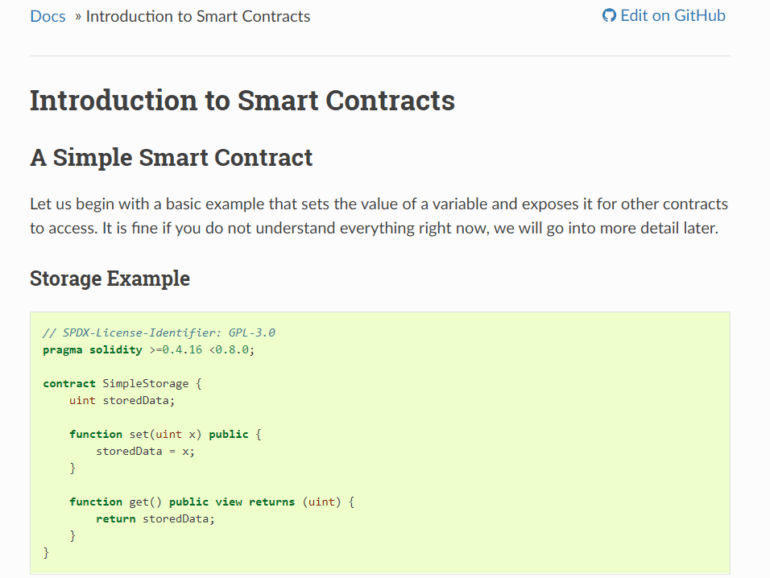
In this conversation, we go through the essentials of Decentralized Finance with Kerman Kohli, who is a serial entrepreneur and the writer of the DeFi Weekly newsletter. We discuss the mechanics of issuing stablecoins, decentralized lending, decentralized exchange, automated market makers, and the increasing complexity of synthetic assets that have grown the sector to nearly $7 billion in August of 2020.

The most popular AMM, Uniswap, is annualizing to $1 billion in fees. That’s a chunky amount of value for its users.
The team has just released the third version of its protocol, and it is an innovation in the structure of the AMM logic. Instead of providing liquidity across the entire price curve, users are now able to specify pricing ranges for which they are participating in the curve. This protects market makers from the extreme price fluctuations which they may prefer not to fund. Because most trading also happens in narrower price bands, it is possible that capital is much more actively used in those bands, and generates higher fee returns comparatively.
The web of investment bank technology, there are 20 or more core vendors on which systems run. Adding Blockchain to the mix merely adds a 21st system, which is by design incompatible with everything else. Thus enterprise chain projects have been focusing on integration and proofs of concepts, not re-engineering the core. But we know how this plays out -- as it has over and over again across Fintech. Digitizing "unimportant" channels and hoping for them to succeed simply doesn't work. See JP Morgan giving up on Finn, or Northern Trust capitulating its pioneering idea into Broadridge, or any other number of examples from Bloomberg to LPL Financial. Even the struggles of Digital Asset could be used as an example of the danger of working oneself into an existing web of solutions, and trying to preserve their dependencies.
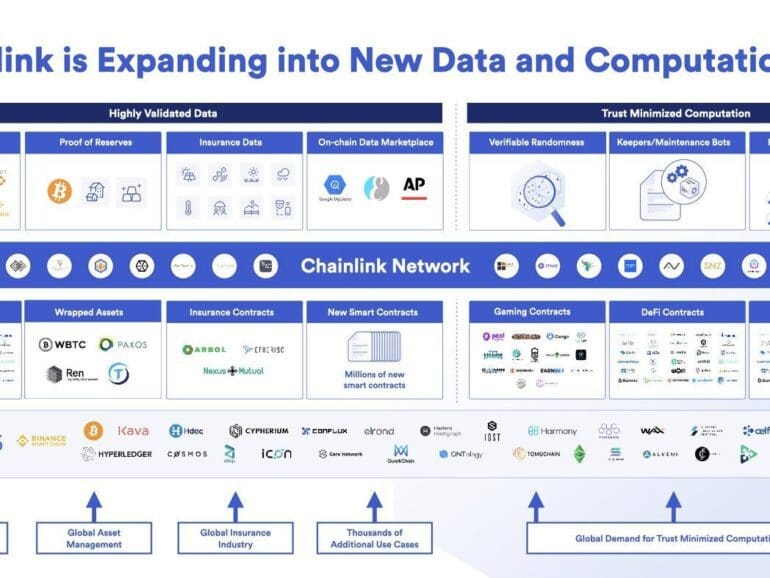
In this conversation, we chat with Sergey Nazarov. Sergey is Co-founder of Chainlink, the leading decentralized oracle network used by global enterprises & projects at the forefront of the blockchain space.
Chainlink is the industry standard oracle network for powering hybrid smart contracts. Chainlink Decentralized Oracle Networks provide developers with the largest collection of high-quality data sources and secure off-chain computations to expand the capabilities of smart contracts on any blockchain. Managed by a global, decentralized community, Chainlink currently secures billions of dollars in value for smart contracts across decentralized finance (DeFi), insurance, gaming, and other major industries.
More specifically, we touch on what it means to build in DeFi, what Oracles are like, what smart contracts are and what they enable, how all of this works and where the protocol is going, and so much more!

We are syndicating a deep conversation across roboadvice, high tech and payments, and fintech bundling that we had with Craig Iskowitz of Ezra Group Consulting.
Check out Ezra Group Consulting here to learn more about digital wealth and Craig’s consulting practice. He is one of the sharpest software consultants in the RIA space, and his firm works with wealth management firms and fintech vendors to provide technology strategy and market research.
We had a lot of fun in this conversation and cover TD & Schwab, Wealthsimple, M1 Finance, Ant & Tencent, and Robinhood, among others. The full transcript is provided along with the recording — worth a read for the illustrations alone.
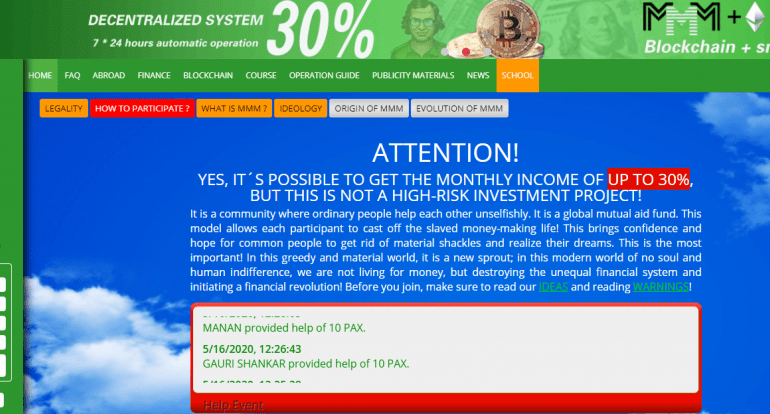
Let me introduce you to MMM. While decentralized finance and digital asset companies bend over backwards to be customer centric and reform financial services (each in their own way), MMM is a pretender. It is a pretender that has stolen the language of the crypto economy to create a cancer in its body.