
The payment operation, which has been awaiting regulatory approval for three years, will first focus on small merchants and will be implemented gradually in the South American country.

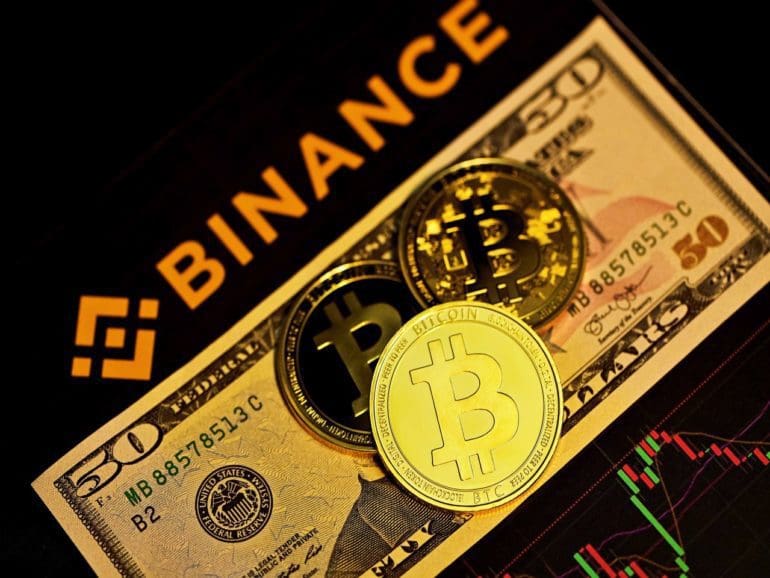
Binance announced a partnership with Mastercard this week to launch a prepaid card in Brazil, the second initiative of its kind in Latin America after a previous rollout in Argentina.
The webinar with Visa Direct and Checkout.com discussed the rise of real time payments and how pay-to-card solves the pain points for many different verticals.
To best serve the payment needs of different emerging markets, a company must have a local presence so they can understand unique traits.
As the sparkling firecracker news of acquisitions, plans, and partnerships in the BNPL space fizzle, oversight reporting has sprung up. A Credit Karma survey found that of those who used BNPL, more than half of the younger crowd missed at least one payment.
As businesses batten down the hatches to weather runaway inflation, many are re-evaluating how to make their operations more efficient.
·
In saturated markets, such as B2C BNPL, differentiators are key to product stickiness. Old-school elements may have a place in some sectors.
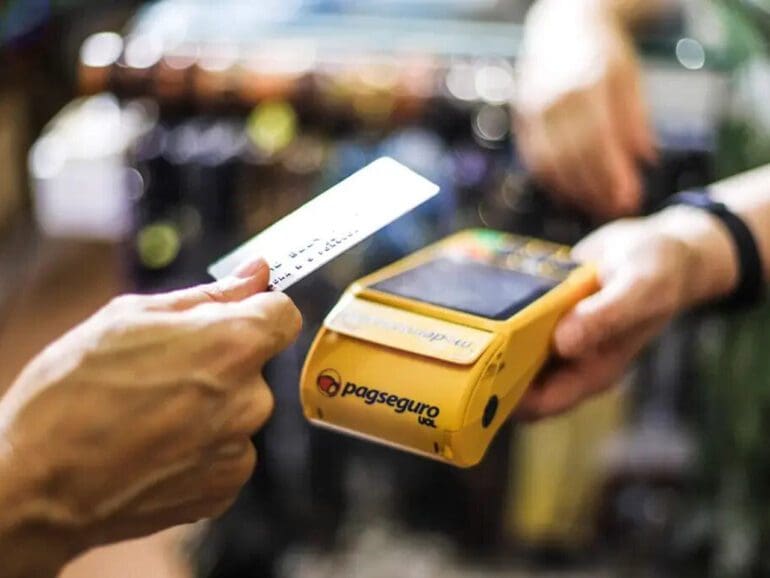
By December 2022, PagSeguro had 28 million customers, making it the second-largest digital bank in Brazil.
With increasingly unaffordable healthcare costs, higher deductible health plans, and confusing medical billing statements, Americans are simply turning away from healthcare. This article will discuss how healthcare affordability and care avoidance are closely linked and how both affect patients, employers, and providers. In addition, it will explain why even patients with insurance are in desperate need of a new financial payment model that addresses the burden of healthcare costs.
Proposed regulations recently released by the Treasury Department help bring added clarity to participants in the digital asset economy. But the process is far from over. Investors, centralized crypto exchanges, payment processors, some hosted wallet providers, and some decentralized exchanges are the most affected. Miners, stakers and developers are not impacted.