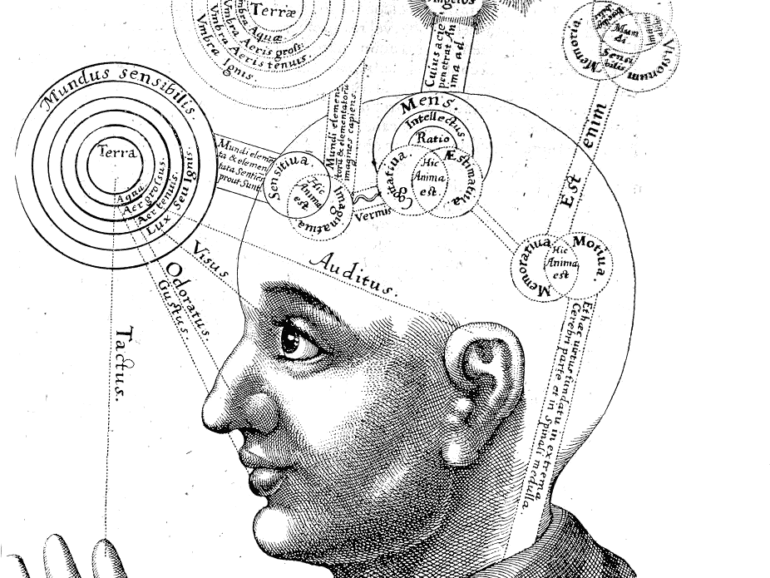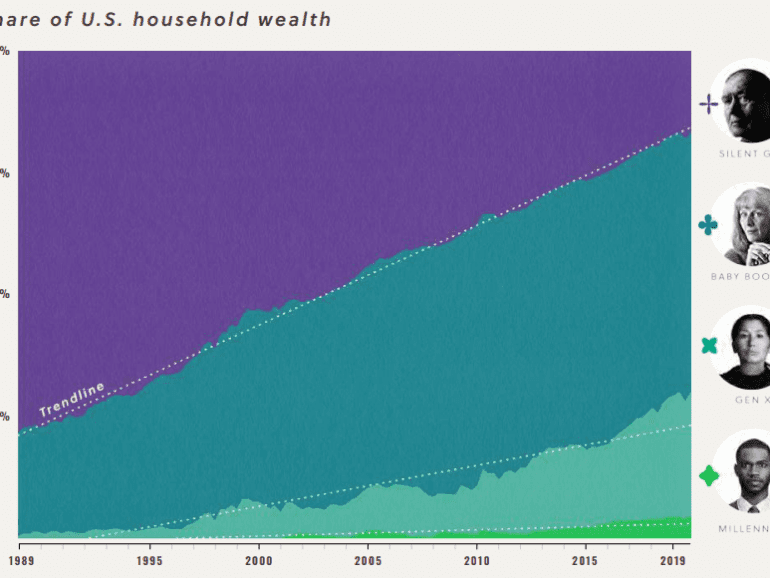

This week, we dive into the social, economic, and financial implications of data in a post-COVID world. As Apple and Google work to build out the government's contact tracing apps to combat pandemic, what Pandora's box are we opening without consideration? As Plaid reaches into payroll data to accelerate small business bailouts, what power do we hand to aggregators? Will dignity-preserving solutions come to market in time? The opportunity for decentralized identity and data storage is clearer than ever. Or will fear drive us to make permanent compromises?
This week, we look at:
Deep Fakes behind South Park creators' new parody, Sassy Justice
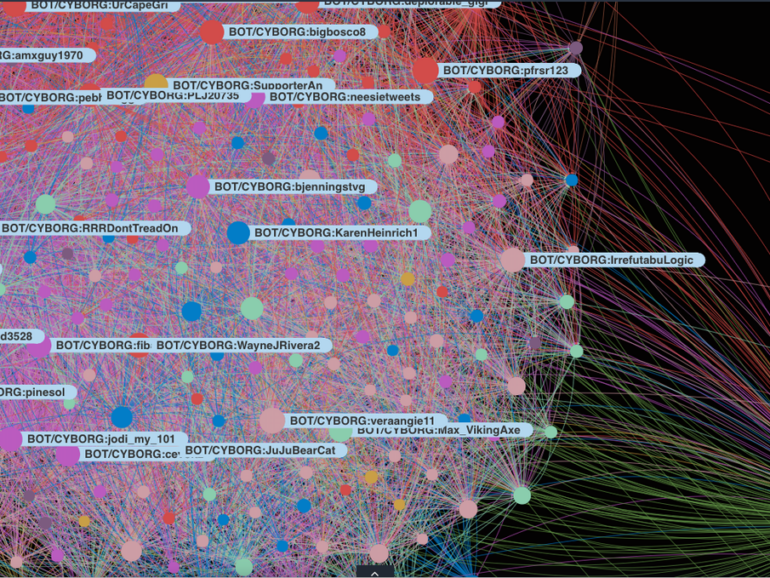
The AI-created author of the fake Hunter Biden intelligence report
GPT-3 winning the love and attention of people on Hacker News
How should we react to these robots and their desire to mess with our minds
Unlike equities, the crypto markets were born from machines, and are constructed from code. Hold dear the tokens in which you believe, and stay away from the stories of easy money. Nothing is easy. To win Russian roulette is not good fortune. It is, instead, a grave mistake to play a lethal game. Have you nothing to lose?
And then Brexit. And then Taiwan and China. And then Covid, again. And then, who knows.
From now on and forever, your counterparty is the data center running an AI cluster on top of the Internet. The data center that has already profiled you and knows everything about you. Bring the tinfoil hat.
This week I discuss SpaceX, and its Dragon rocket carrying American astronauts to the International Space Station for the first time in 9 years. The 20 year old company is a testament to the incredible iron will and absolute insanity of the most visionary capitalist alive -- Elon Musk. We walk through various attributes of the company and recent launch to derive lessons for the financial industry and the entrepreneurs rebuilding it.
Robocop vs. Terminator in Fintech; Comparing DeFi originations to Digital Lenders in the early years
I've got a gentle, data-backed story this week inspired by a great distinction made in this Techonomy article by the Chief Digital Officer at Schneider Electric. The thesis tracks three key lessons from attempting to bring large companies into the 21st century: (1) transform the core of your business instead of fumbling around at the edges, (2) digitize your processes and separately figure out a distinct digital model, and (3) catalyze a digital ecosystem from the new model. You can think about the distinction as either taking the existing business and slowly swapping out parts from human to machine (e.g., like RoboCop), or building the robot from scratch utilizing the latest platforms, markets, and artificial intelligence (e.g., like Terminator).
This week, we look at:
The 10% collapse in GDP across the US & Eurozone, and how it compares with China's second quarter
The geopolitical battle over TikTok, its alleged spying, and understanding the winners and losers of the Microsoft deal
A framework for how to win in open source competition, explaining both Shenzhen manufacturing success and decentralized finance growth to $4 billion
This week, we look at:
Hashmasks, CryptoPunks, and other large NFT / crypto art projects generating tens of millions of USD trading volume
Perceptions of financial value, as well as whether it matters to have an “original” digital art piece relative to its digital copy
The intersection of collectibles with decentralized finance, and its collateralization, tranching, lending, and trading, as well as a view on 2021
Why are high valuations bad? You've heard me talk about how the trend of Fintech bundling, and the unicorn and decacorn valuations led by SoftBank and DST Global, are creating underlying weakness in the private Fintech markets. Of course, they are also creating price compression and consolidation in the public markets (e.g, Schwab/TD, Fiserv/First Data) across sub-sectors. But public companies are at least transparent and deeply analyzed. Private companies have beautiful websites, charismatic leaders, and impressive sounding investors. Often when you look under the hood, it's just a bunch of angry bees trying to find something to sting.
big techChinacivilization and politicsfixed incomegovernancemacroeconomicsnarrative zeitgeistphilosophySocial / Community
·I've seen a whole bunch of headlines this past week about how Facebook is launching its version of the "Supreme Court", as if that were an app feature. The oversight board is meant to police controversial content decisions, and have the power to overrule Zuck's judgment on political matters. Its charter is drafted as if Facebook's 3 billion users were citizens of an Internet nation. Add to this the insanity over WeWork's failing IPO plans, where the CEO has been personally named in the amended filing documents with clear checks on demonstrated abuses of power. We are drifting into a Twilight Zone episode where modern corporations act as if they were feudal states run by divine kings negotiating with their nobility over a Magna Carta. Which is actually sort of where we are.
The question of consciousness goes to the root of why we build, what we create, and how we decide what is valuable and what is not. And if we can control our self-conception and the modeling we do of the world, the texture of life becomes better. A recurrent theme in our writing is that systems don’t care about their agents per se. There are many game theoretical equilibria where agents suffer, but systems perpetuate. So figuring out how an agent within a system reflects on happiness is paramount.
This week, we cover these ideas:
The difference between building a Fintech company, and building an empire to transform the world
How Warren Buffett is the best in the world at getting leverage through third party capital to grow
How Elon Musk is the best in the world at re-investing capital into his own judgment and view of the future
The $1.2B BitGo acquisition by Galaxy Digital, and the growing footprint of Alameda Research
DAOs as a way for all of us to participate